
How to Choose the Right Fence for Your Property Explained
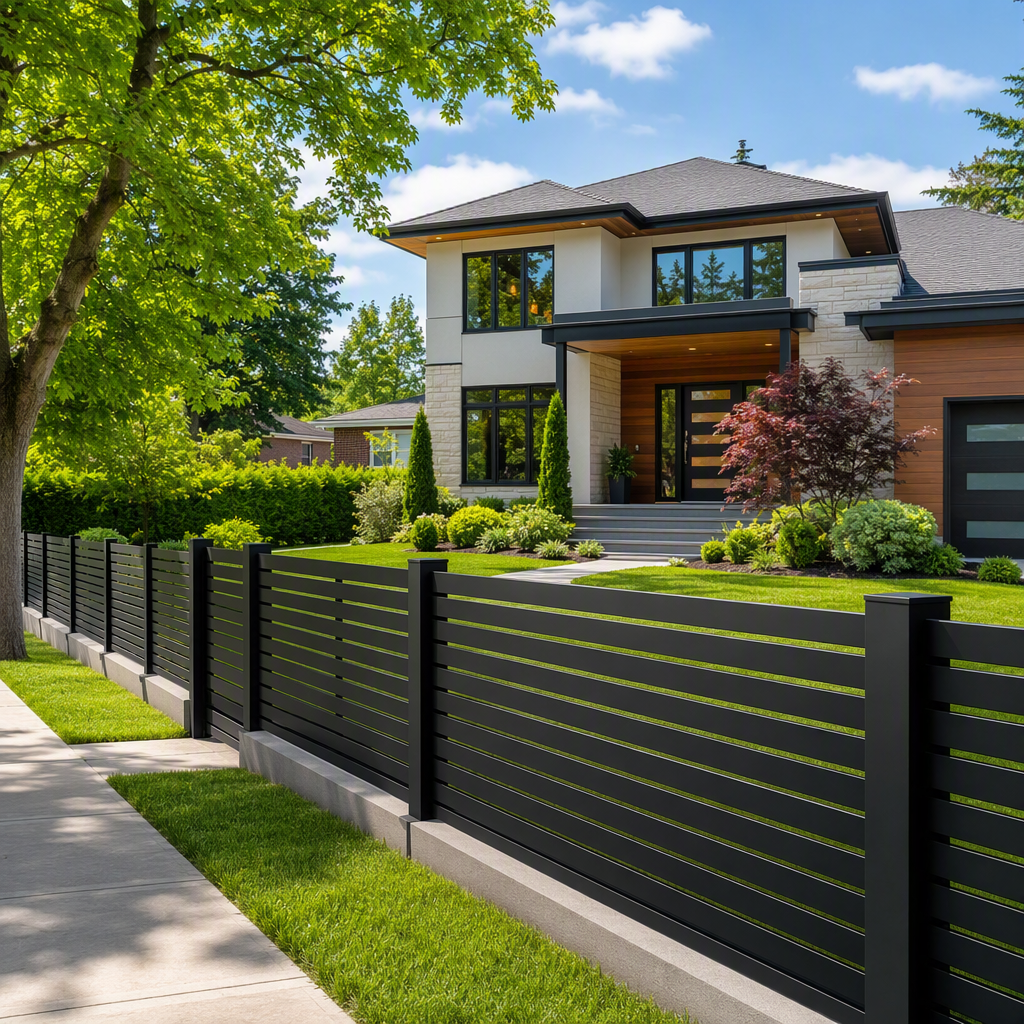
Key Highlights
The right fence starts with your main purpose, such as privacy, security, pets, pool safety, or marking a property line.
Material options like cedar, vinyl, aluminum, rail, and chain link each affect curb appeal, maintenance, and long-term value.
Your budget should cover material, labor, fence height, gates, and cost per linear foot.
Michigan weather matters because moisture, snow, and freeze-thaw cycles affect fence performance.
HOA rules, permits, and design limits can shape your final choice.
A well-matched fence can improve curb appeal and support property value.
Introduction
Choosing a new fence sounds simple until you compare styles, prices, and material options. If you are weighing privacy, security, curb appeal, and budget at the same time, it can be hard to know what fits your property best. Quick Answer: How to choose a fence starts with your main goal, then moves to material, maintenance, local rules, and fence installation needs. The right fence can protect your yard, improve property value, and make your home look more complete.
Why Choosing the Right Fence for Your Property Matters
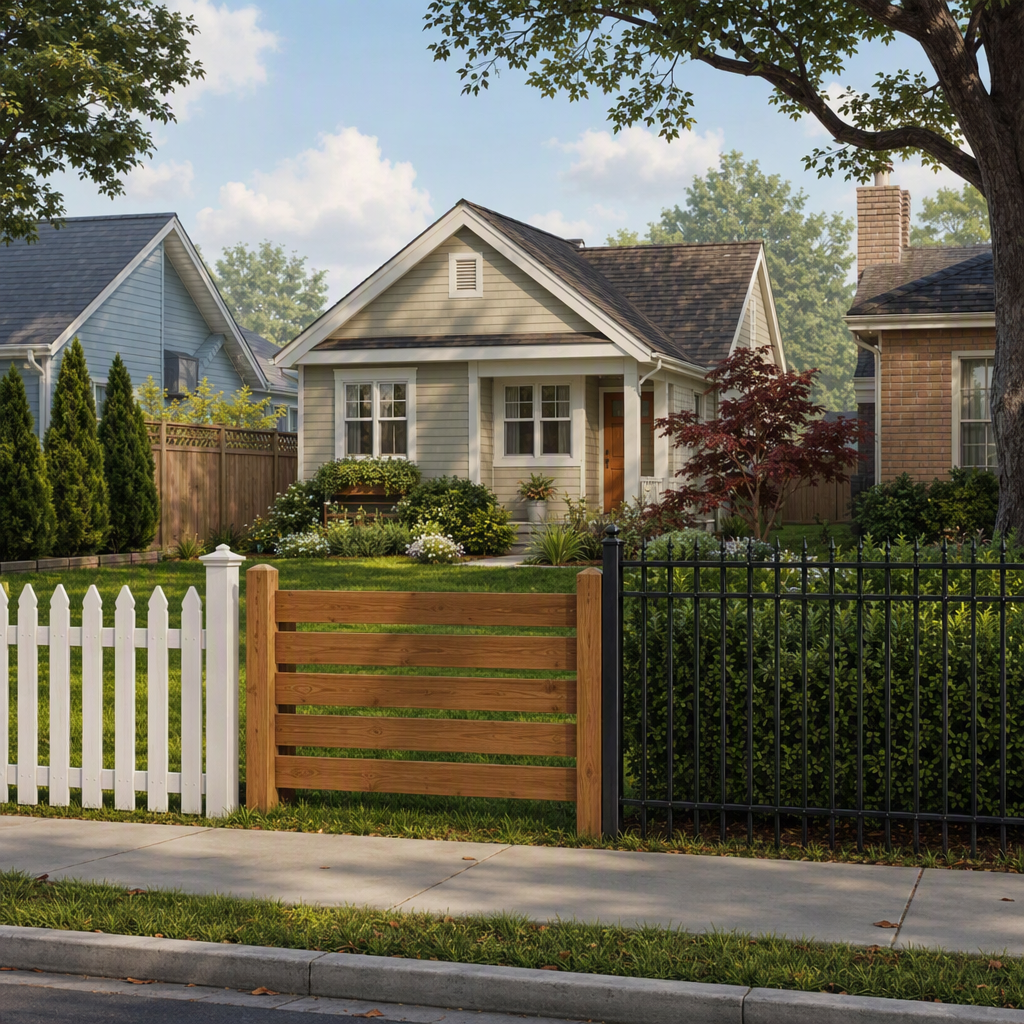
The right fence does more than outline a yard. It supports privacy, security, curb appeal, and the daily use of your outdoor space. Your main concern might be pets, a pool, or blocking views from neighbors.
At the same time, the type of fence you choose affects fence height, maintenance, aesthetic appeal, and long-term property value. When you match the design to your specific needs, you make an informed decision and gain more peace of mind. The next sections break down the biggest reasons this choice matters.
The Impact on Privacy, Security, and Curb Appeal
For many homeowners, privacy is the first goal. A solid fence gives the highest level of privacy because it limits visibility into your backyard. If your main concern is creating a secluded outdoor space, a privacy fence is often the strongest fit.
Security matters just as much. Taller fences and controlled gate access can help create a stronger barrier around your home. Open styles like aluminum can still support security, while solid designs add both privacy and peace of mind.
Curb appeal also changes with your fence choice. A fence becomes part of the look of your home, not just a boundary. The right style can frame a front yard, support landscaping, and make the property feel more finished without sacrificing function.
How the Right Fence Affects Property Value
A well-chosen fence can support property value because buyers often notice function and appearance together. If a fence improves security, keeps pets contained, or creates privacy, it adds practical appeal for the next owner.
Just as important, a fence affects your home’s curb appeal. Clean lines, matching materials, and a style that fits the home’s architecture can strengthen aesthetic appeal. A fence that feels out of place may do the opposite.
The right fence is usually one that balances looks, purpose, and upkeep. Buyers often respond well to options that seem durable and manageable. That is why resale value is tied not only to design but also to how well the fence suits the property.
Key Factors to Consider Before Selecting a Fence

Before you select a fence, focus on the key factors that shape performance and cost. Your right fence depends on purpose, fence material, appearance, maintenance, local rules, and climate. Each one changes what will work best on your lot.
You should also compare material options against your specific needs. Common fence materials may all look good at first, but they perform very differently over time. The following sections cover each factor in a practical way so you can narrow your options with confidence.
Defining Your Fence’s Main Purpose (Privacy, Security, Pets, Pools)
Start with the main purpose of the fence. That one decision affects height, spacing, material, and gate style. If you try to choose based only on looks, you may miss the features your yard really needs.
Think about your specific needs before reviewing colors or styles. Ask yourself what problem the fence should solve most clearly. That answer will guide the rest of the project.
Privacy: Choose a design that provides a higher level of privacy, often with solid panels.
Security: Look for height, strength, and secure gate options.
Pets and children: avoid wide gaps and weak sections that can allow escape.
Pool fences: focus on safe access control and code-related requirements.
Boundary marking: use a fence that clearly defines the property line.
Understanding Material Options: Cedar, Vinyl, Aluminum, Chain Link, Rail
Material choice shapes appearance, upkeep, and cost. Evelyn Fence Company offers cedar, vinyl, aluminum, chain link, agricultural, rail, and commercial fencing and gates, which gives Michigan property owners several strong options.
A wood fence, especially cedar, offers a natural look and classic warmth. Vinyl fencing is known for low maintenance. An aluminum fence gives an open, polished style with rust resistance. Chain link is practical and often the most affordable option for large areas. Rail fencing works well where openness matters more than privacy.
Some homeowners also compare iron fence or composite fencing options, but the best fit still comes back to purpose, budget, and design.
Budget Planning and Cost Considerations
Fence costs depend on more than material alone. Your budget is shaped by length, height, style, labor, gates, and site conditions. Most contractors price projects by the linear foot, so total perimeter matters right away.
The compiled information does not give a fixed national average, which is why estimates are so important. If you want to know how to choose a fence step by step, cost planning should happen early, not after you pick a style.
Measure the total footage needed.
Compare material options and labor needs.
Include gates, hardware, and complex designs.
Request estimates that match the same scope of work.
Chain link is often the most affordable option. Vinyl and aluminum usually cost more upfront, while wood may bring more regular maintenance costs later.
Maintenance Needs for Different Fence Types
Maintenance needs vary widely by material. If you want little maintenance, that preference should carry real weight in your decision. A fence that looks great on day one may feel like a burden if upkeep is constant.
A vinyl fence is one of the best-known low-maintenance choices. It does not need staining or sealing and is easy to clean. Chain link fencing also requires limited upkeep once installed, especially when coated for weather protection.
Wood needs the most regular maintenance because it can face moisture, wear, and weather exposure. Composite materials are often discussed as lower-upkeep alternatives, but the compiled information also notes possible sagging. Think about what level of work you are willing to handle year after year.
Local HOA Rules, Permits, and Regulations in Michigan
Local regulations can affect height, placement, style, and even approved materials. HOA rules may be even stricter, especially in neighborhoods with appearance standards. That is why checking requirements early can prevent delays and redesigns.
A fence permit may also be required depending on the location and scope of work. Property line placement is critical, especially if you are removing an existing fence or building near a neighbor’s lot. Mistakes here can create unnecessary conflict.
Evelyn Fence Company helps customers through planning, HOA approvals, and permits as part of its process. That support matters because paperwork can be confusing. When a contractor handles these steps, you reduce the chance of compliance issues before installation begins.
Evaluating Climate and Weather Resistance in Novi, MI
Climate affects how long a fence lasts and how much care it needs. In Michigan, snow, moisture, and freeze-thaw cycles can put stress on many materials. That makes weather resistance a practical issue, not a minor detail.
Wood can need more attention in humid climates because moisture raises the risk of rot and surface wear. Vinyl handles many weather conditions well, though extreme temperatures can still affect performance. Aluminum fencing stands out for corrosion resistance and low upkeep.
In Novi, MI, weather should be part of every fence decision. A style that works in a mild region may not perform the same way here. This is one reason local experience matters when comparing materials and installation methods.
Beginner’s Guide: What You Need Before Choosing a Fence
Before shopping for styles, gather the basics. You need a site plan, a clear view of your property line, and a rough idea of your specific needs. This early work helps you avoid bad measurements and weak assumptions.
It also helps to collect estimates, HOA rules, and visual inspiration before you commit. When you know the lot layout, preferred height, and design direction, the selection process becomes much easier. The next two sections explain what to prepare first.
Measuring Your Property and Identifying Boundaries
Begin with accurate measuring. A site plan can show lot shape, structures, access points, and areas where the fence may need gates or special spacing. Good measurements help contractors price the project correctly and place fence posts where they belong.
Next, verify the property line before installation starts. Guessing where the boundary sits can lead to future disputes with neighbors. That problem is expensive and avoidable.
Fence height should also match the yard’s purpose and any local restrictions. Taller fences usually support privacy, while shorter fences often work for front yard design or open spaces. boundaries. When measurements and boundaries are clear, every later decision becomes easier and more accurate.
Gathering Resources: Estimates, HOA Rules, and Inspiration
Preparation saves time and reduces surprises. Before choosing a final design, collect the information that shapes approval, pricing, and appearance. This makes your planning process smoother and helps you compare options fairly.
Homeowners often rush to pick a style before checking rules or costs. A better approach is to build a small planning file first. That way, you can move from ideas to action without missing a key step.
Request detailed estimates from a trusted fence company.
Review HOA rules for style, height, and placement limits.
Check whether a fence permit or local regulations apply.
Save inspiration photos that match your home and goals.
Evelyn Fence Company can help streamline this stage by guiding customers through planning and approvals before manufacturing and installation.
Step-by-Step Guide: How to Choose a Fence for Your Property
If you want to know how to choose a fence step by step, use a simple process. Start with your main concern, compare material options, set a budget, review rules, and then schedule fence installation with a qualified team. That keeps the project organized.
This is also the easiest way to find the right fence without getting lost in too many styles. Evelyn Fence Company follows a clear 5-step process: free estimate, planning and HOA or permit approval, custom manufacturing, site prep and installation, and then enjoyment.
Step 1: Define Your Needs and Goals
Every strong decision starts with clear needs and goals. Before comparing prices, ask what the fence must do every day. Your main concern should guide all other choices.
Some homeowners care most about privacy. Others focus on security, pets, or matching the home’s aesthetic appeal. You do not need a perfect design idea yet, but you do need a clear purpose.
Decide whether privacy or visibility matters more.
List security concerns, including gates and access.
Think about pets, children, or pool areas.
Note any style goals tied to your home’s look.
This first step answers one of the biggest homeowner questions: what factors should I consider when choosing a fence for my property? Start with function, then move to design.
Step 2: Compare Materials and Styles
Once your goals are clear, compare common fence materials and various styles. This is where appearance and performance meet. The style of fence should fit both your house and the way you use the yard.
Do not focus on color alone. Think about privacy, upkeep, and how open or enclosed the yard should feel. Chain link, ornamental aluminum, solid vinyl, and cedar each create a very different result.
Step 3: Set Your Budget and Get Estimates
Now put numbers around the project. A fence budget should include material, labor, gates, and any custom features. Since pricing often uses linear foot calculations, accurate dimensions matter from the start.
There is no single national average in the compiled information that fits every Michigan yard. Site conditions, fence height, and material selection all change the final total. That is why estimates give more value than rough online guesses.
A smart move is to compare quotes with the same scope of work. Evelyn Fence Company begins with a free estimate, which helps homeowners understand realistic cost considerations before moving into planning. This is one of the best how-to-choose-a-fence tips because budget surprises often derail good projects.
Step 4: Check Local Rules and Secure Approvals
Before construction begins, confirm every rule that applies to the project. HOA rules may limit style, height, or placement. Local regulations can affect setbacks, gates, and approved fence types.
A fence permit may be required, and the property line must be verified before digging starts. These steps protect you from fines, redesigns, or placement mistakes that can slow the job down.
Evelyn Fence Company handles planning, HOA approvals, and permits for customers, which removes a major source of stress. That support is especially useful for homeowners who want a smoother path from estimate to installation without managing every approval detail on their own.
Step 5: Schedule Installation with a Trusted Fence Company
The final step is choosing who will build the fence. A trusted fence company does more than install panels. It helps you confirm layout, height, materials, timing, and approval steps before work begins.
Evelyn Fence Company is a family-owned, fourth-generation Michigan fence company that has served customers since 1927. The company is based in Novi, MI, at 24120 Meadowbrook Rd, Novi, MI 48375, and offers in-house manufacturing for custom fence solutions.
That combination gives homeowners peace of mind. You get a professional process that moves from estimate to planning, custom manufacturing, site prep, installation, and then a finished fence you can enjoy. If you are deciding how to choose a fence step by step, working with an experienced local team is a strong finish.
Common Mistakes to Avoid When Choosing a Fence
Many fence problems start before installation. Homeowners sometimes focus on price or appearance and forget the main purpose, property line, or future use of the yard. That can lead to the wrong fence and more expense later.
The right fence should fit long-term needs, not just today’s quick preference. An informed decision also includes regular maintenance, local rules, and how the fence will perform over time. Two common mistakes stand out most clearly below.
Overlooking Maintenance or Local Regulations
A common mistake is choosing a fence without thinking about maintenance needs. Wood may look great at first, but regular maintenance can become a burden if you expected a lower-effort solution. This mismatch often causes regret.
Another issue is skipping local regulations. HOA rules, placement limits, and permit requirements can affect the whole project. If you build first and check later, the cost of fixing mistakes can be high.
The safer approach is to compare upkeep and compliance before selecting a material. Homeowners who want low maintenance often lean toward vinyl or aluminum. Those who want a smoother approval process benefit from working with a company that manages the fence permit and planning steps.
Ignoring Property Boundaries or Long-Term Needs
Boundary mistakes can create major headaches. If the fence crosses the property line or sits in the wrong place, future disputes with neighbors become much more likely. A site plan and accurate measurements reduce that risk.
Homeowners also make short-term choices that do not match long-term needs. A fence that works for today may not suit future pets, children, privacy expectations, or layout changes. That is why planning ahead matters.
Think beyond the first year. Will the fence still fit your specific needs if the yard use changes? The best projects account for function, upkeep, and placement together. That broader view helps you avoid rework and choose more confidently.
Conclusion
In conclusion, choosing the right fence for your property is a crucial decision that impacts both functionality and aesthetics. By understanding the various factors—such as privacy needs, material options, budget considerations, and local regulations—you can make an informed choice that enhances your home's security and curb appeal. Avoid common pitfalls by taking a methodical approach to defining your needs and researching available options. If you're ready to start this journey but need guidance, reach out to us for a free consultation and get expert help from our experienced team at Evelyn Fence Company. Your perfect fence awaits!
Frequently Asked Questions
What type of fence is best for privacy or security?
A solid fence is usually the best type of fence for privacy because it blocks sight lines and creates a secluded yard. For security, taller aluminum or other strong designs with secure gates work well. The best choice balances privacy fence performance, security needs, and aesthetic appeal.
How much does it cost to install a fence in Michigan?
Fence pricing depends on material options, height, gates, labor, and total linear foot. The compiled information does not provide one fixed national average for Michigan, so estimates are the best way to price your project accurately. Chain link is often the lowest-cost option, while vinyl and aluminum can cost more.
What is the most durable, low-maintenance fence option?
A vinyl fence is one of the strongest low-maintenance choices for many homes because it resists rot, insects, and frequent upkeep. Chain link also has modest maintenance needs. Composite fencing is sometimes considered too, but vinyl remains a common pick when homeowners want easy care and durability.
Do I need a permit to install a fence in Novi, MI?
You may need a fence permit in Novi, MI, depending on the project details and local regulations. HOA rules and accurate property line placement can also affect fence installation. Evelyn Fence Company helps customers handle permits and approvals, which simplifies the process and reduces the chance of compliance issues.
Suggested Meta Title: How to Choose the Right Fence for Your Property
Suggested Meta Description: Learn how to choose a fence for your property with simple tips on materials, budget, privacy, permits, and installation.
Suggested URL Slug: /how-to-choose-a-fence-for-your-property
Suggested internal links to Evelyn Fence Company service pages:
Cedar Fencing
Vinyl Fencing
Aluminum Fencing
Chain Link Fencing
Rail Fencing
Gates
Contact / Free Quote
